I’ve been coming back to the same corner of Spain every summer for years. In 2027, we move there for good.
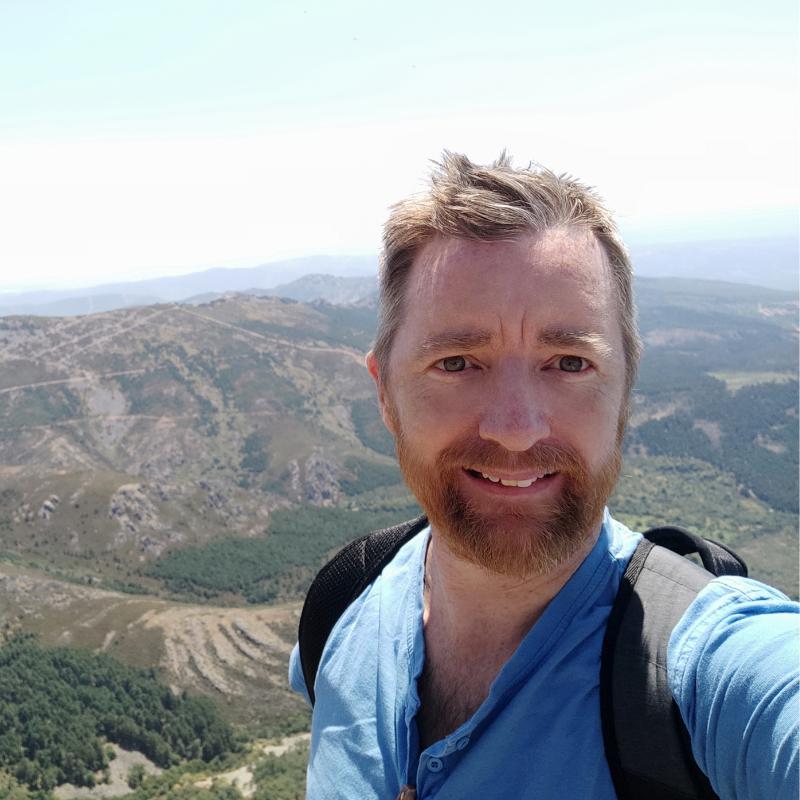
I came over from the UK more than a decade ago, to be with the woman who’s now my wife, and I’ve lived in Spain ever since. Madrid at the moment. But every summer we’ve gone west, to the Sierra de Francia in Salamanca province — a run of stone villages in the hills where the nearest town of any size is Ciudad Rodrigo, and where the Portuguese border is twenty minutes down the road.
Enough summers in one place and you stop being a visitor. In 2027 we stop pretending and move.
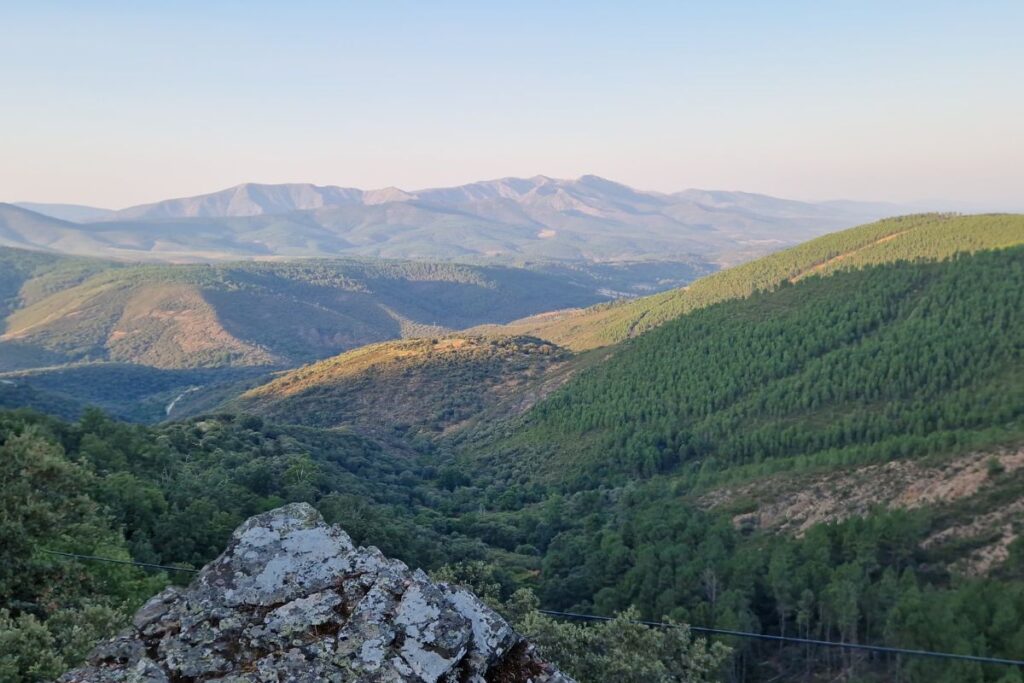
What you’ll actually find here
Not many bucket lists. What I write about tends to be smaller than that: a mountaintop monastery you reach on a single-track road, a village of ninety people with a bakery worth the detour, the municipal swimming pool in Tamames on a forty-degree afternoon.
Some of it’s properly useful — how to get up to La Peña de Francia, what a Spanish tourist visa actually involves, which wine regions are worth your time. Some of it is just me telling you about somewhere I liked. I try to be clear about which is which.
The thread running through it is that I’m not passing through. I go back. The third visit is usually when a place starts to make sense, and the third visit is generally the one I’m writing about.
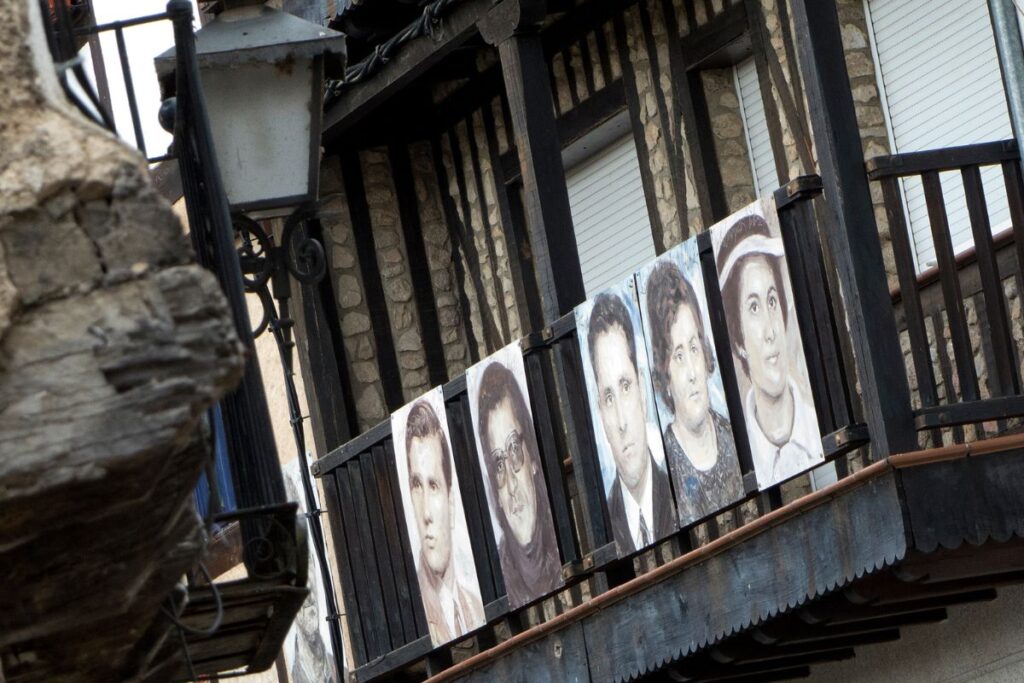
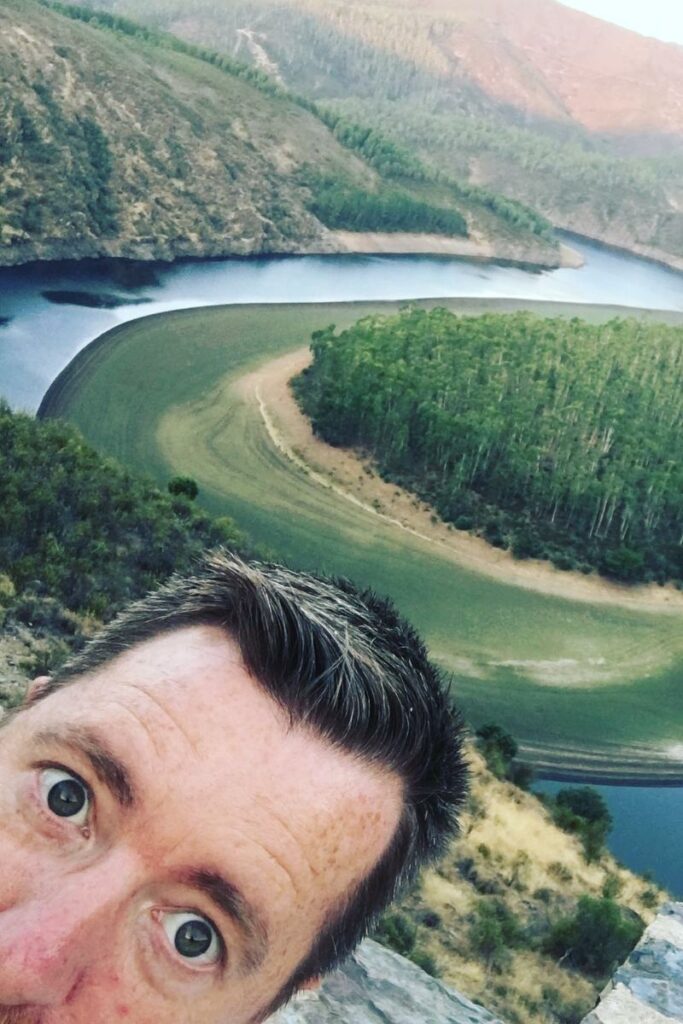
Why there’s so much Portugal on a site called Loving Spain Life
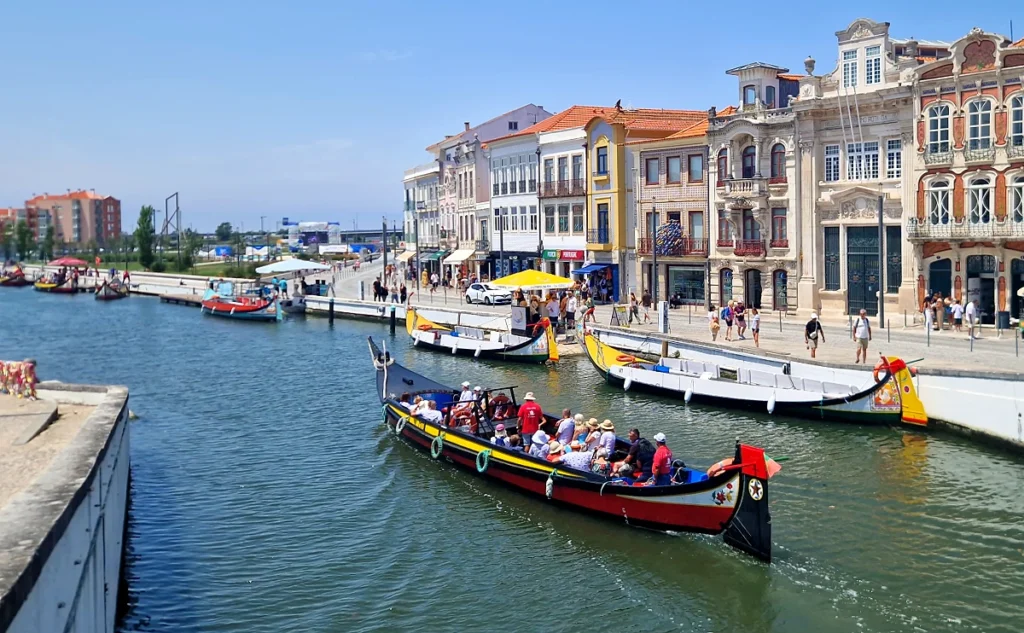
From the Sierra, the border is twenty minutes away — closer than most Spanish cities, and it’s where a lot of our weekends go: Aveiro, Coimbra, the beach at Pedrógão, Porto more times than I can count. Every article tells you which country it’s about before you’ve read a sentence.
I also run The Travel Blogs
The Travel Blogs is a different thing entirely: a travel content discovery site. The map is the heart of it — you find writing by where it happened rather than by who wrote it.
There’s some of my own older work on there, from years spent moving around the world, with a lot of time in Southeast Asia and Africa. But most of the point is other people’s. Bloggers submit their own posts, they go on the map, and readers find them.
The Spain and Portugal writing is gradually moving over here, where it belongs. If you followed a link and arrived somewhere unexpected, that’s why.
The logo
It’s a botón charro, and it needs explaining.
The botón charro is a silver filigree button — a round, flattened flower of twisted wire and tiny beads — and it is the emblem of Salamanca province. You’ll find it here as earrings, cufflinks, bracelets, pendants, rings and keyrings. I have a bracelet and a keyring, both bought in the province.
Its origins are genuinely obscure. You’ll see it claimed for the Celtiberians, for Roman solar discs, for Arab and Jewish metalwork, for the medieval silversmiths’ guilds. Nobody actually knows. What is documented is that it began as a functional fastener on shirts and waistcoats and ended up as jewellery, and that by the eighteenth century there was a whole typology of them depending on who you were.
The story attached to it is that it is protective: the central bead standing for Salamanca, and the ring of beads around it for the comarcas that shielded the city. That is the shape at the top of this page, and the reason it is the mark of this site — a centre, and the country around it that matters more.
There is another story, that it served as an engagement ring, with semi-precious stones in place of the beads, worn every day until the stones dropped out one by one; when the last one went, it was time to marry — which conveniently gave both families time to save up. Folklore, almost certainly. Good folklore, though.
One practical thing, if you are ever buying one. Real filigree is built by hand from drawn silver wire, a frame filled in with finer twisted threads. Most of the cheaper buttons in the shops are not filigree at all — they are cast from a mould, which looks close enough at arm’s length and nothing like it up close. Look at the detail before you pay. If you want the real thing made locally, there are silversmiths still working the traditional way in Mogarraz and Sequeros.
My wife has an original that belonged to her grandmother. She has no idea where her nan got it, or when. She just remembers it being on her grandmother’s finger, for as long as she can remember anybody’s hands.
You can buy the same object this afternoon, on the Plaza Mayor, and it will be beautiful. It won’t be that.
How I write
The guides here come from places I have actually been. The photos are mine, the opinions are mine, and the prices and opening times are what I found when I turned up.
That doesn’t mean I have eaten in every restaurant or walked through every park a guide mentions. I use AI tools to help with the research, and to draft and tidy the writing — not to decide what I think of a place, or to pretend I have been somewhere I haven’t.
Some of the links here are affiliate links, which means that if you book through one I earn a small commission at no extra cost to you. There is a fuller explanation here.
Saying hello
The contact form reaches me directly. I read everything, and reply to most of it.
If you’re heading anywhere in this and want a second opinion on whether it’s worth the drive, ask. I’ll usually tell you honestly.